


Tips
How often should I take my dog to the vet: a guide by age and life stage
Find out how often to take your dog to the vet based on age, breed and health, what gets checked in the


Hi! Welcome to this guide on how to take care of a pet, where we'll go over the most important aspects of keeping your lifelong companion healthy and happy. Here you'll find practical tips to give them a healthy, safe life full of well-being.
It doesn't matter whether you have a dog, a cat, a rabbit or another species: family is family. All animals need love, attention, patience and proper care to feel safe and happy. Without further ado, let's get to the point: here you'll learn how to take care of a pet at home with 6 essential tips on the most important aspects of their life.
Learning how to take care of a pet responsibly involves much more than feeding and bathing them:
it also means ensuring their long-term animal welfare, from spaying or neutering and identification with a tag or microchip to adapting your home so it's a safe space.
In Colombia and Latin America, responsible pet ownership is increasingly a priority for families, and having the support of a trusted veterinarian makes the difference between basic care and comprehensive care for your lifelong companion.
This question is the starting point when you have an animal at home for the first time. It shows commitment and a desire to do things right. To learn how to take care of a pet properly, you need to keep 6 fundamental aspects in mind. These steps will help you go from beginner to making your pet one more member of your family.
A pet is not an object; it's a new member of the household that wants to be accepted and treated well.
It may sound like a cliché, but it's true: treat them the way you want to be treated. Be understanding, patient and attentive to their needs.
Every species or breed has its own characteristics and nutritional needs. The most common choice is kibble or dry food, but some animals may require a special diet or additional supplements.
To know how to take care of a pet through their diet, it's important to learn about the right type of food, the recommended amount and the correct frequency. It's also key to know which foods can be harmful so you can keep them from eating them.
There's no exact rule on how often to bathe a pet. Some experts recommend doing it once a month, while others suggest bathing them only when necessary, especially if there's visible dirt on their coat.
In general, the frequency depends on the species, the breed and how exposed they are to dirt. For cats, it's usually best to bathe them only when needed, with roughly 4 or 5 months between baths. For dogs, it can be every 1 or 2 months, depending on the breed and their habits.
An important part of learning how to take care of a pet is teaching them rules early on. During their first weeks of life, the animal should start learning the boundaries within the home.
Ideally, train them without mistreatment. You can use rewards to reinforce good behavior and gentle corrections to teach them what's not okay. The training method may vary depending on each pet's species, breed and personality.
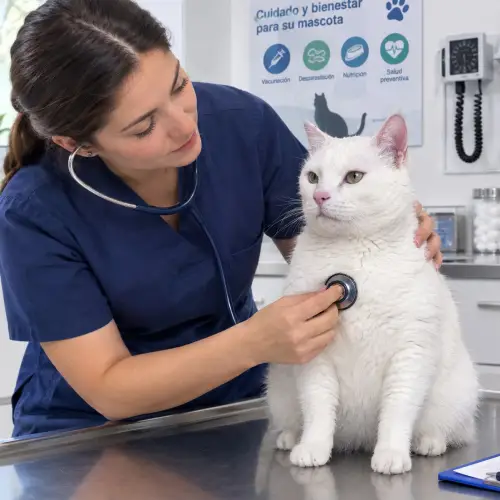
Health is one of the most important pillars of properly caring for a pet. You should watch for physical changes, changes in their coat, loss of appetite or shifts in their behavior.
Knowing your pet well will help you spot warning signs early and go to the vet when needed.
Giving them regular periods of exercise and play is essential for animal welfare. Physical activity helps release tension, prevent obesity and keep your pet happier and more balanced.
Without a doubt, the best way to make your pet happy is to give them love, a safe home, good nutrition, veterinary care and constant protection. That, in essence, is what learning how to take care of a pet responsibly means.
Learning how to take care of a pet means taking on a daily responsibility based on love, patience and constant attention. Good nutrition, proper hygiene, positive training, regular exercise and vet visits are essential pillars for ensuring their physical and emotional well-being.
Beyond covering their basic needs, caring for a pet means offering them a safe home, treating them as part of the family and staying alert to any change in their behavior or health. With commitment and affection, your pet can enjoy a happier, healthier and more balanced life.
With respect and affection: talk to them lovingly, pet them, be patient and correct them with love. Avoid yelling and mistreatment, because they increase stress, fears and insecurities.
It depends on the species and breed. Many pets eat dry food or kibble, but some need supplements. The key is knowing the right type of food, amount and frequency, and avoiding harmful foods.
By controlling portions, avoiding overfeeding and making sure they get frequent physical activity. Exercise helps maintain a healthy weight and improves their quality of life.
There's no single rule. The article suggests it depends on the species and how dirty they get: dogs every 1 or 2 months depending on the breed, and cats when necessary, with a periodic bath roughly every 4 or 5 months.
Start early (an approach within the first weeks is mentioned), using reinforcement and training without hitting. Reward good behavior and correct with a mild scolding when necessary, adjusting the method to the species or breed.
“ Caring for animals isn't just a science; it's an act of humanity that transforms the world through empathy. “
Okvet.co
The information in this article was provided by Okvet, veterinary software specialized in the management and control of veterinary clinics. Okvet helps industry professionals optimize their clinical performance and efficiently manage patient care, improving service quality and pet owner satisfaction.

Find out how often to take your dog to the vet based on age, breed and health, what gets checked in the
Home > Blog > Veterinary Clinics in Barranquilla Veterinary Clinics in Barranquilla Tips The Best Barranquilla The heat, the humidity, the rains

Home > Blog > Veterinary Clinics in Bucaramanga Veterinary Clinics in Bucaramanga Tips The Best Bucaramanga Looking for veterinary clinics in Bucaramanga isn't just about

Home > Blog > How to care for a pet How to Care for a Pet: A Complete Guide to Their Well-Being Tips The Best