
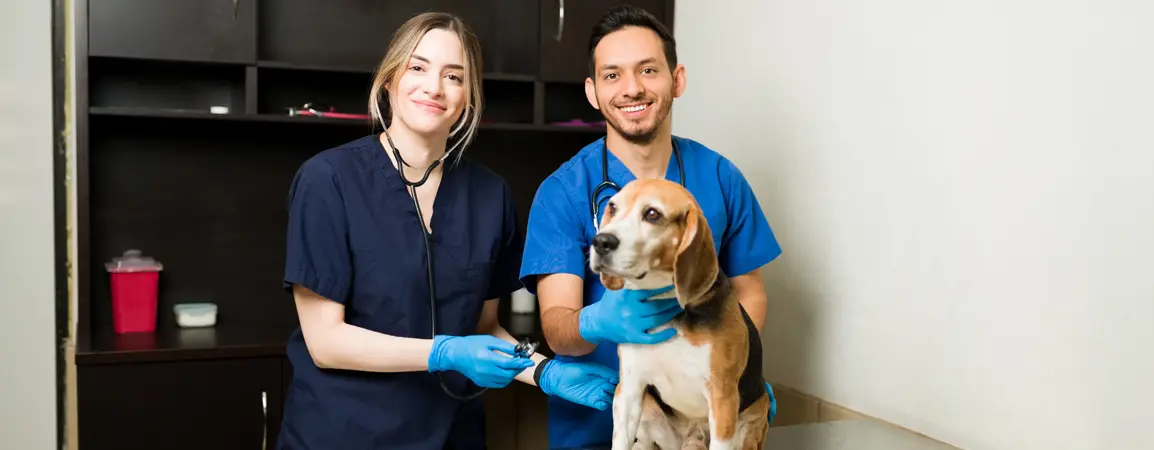

Tips
How often should I take my dog to the vet: a guide by age and life stage
Find out how often to take your dog to the vet based on age, breed and health, what gets checked in the


Setting up a veterinary clinic is an exciting project that can be very rewarding both personally and professionally. However, it also requires careful planning and a detailed understanding of the legal, financial and operational aspects. In this article, we'll guide you through the essential steps to establish your own veterinary clinic, making sure to cover all the key aspects so you can launch your business successfully.
Opening a veterinary clinic involves meeting a series of legal requirements that vary by jurisdiction. It's essential to stay informed about all regulations and comply with them to avoid legal problems down the road.
To operate a veterinary clinic, you'll need to obtain several licenses and permits. These may include an operating license, health permits and professional licenses for the veterinarians who will work at the clinic. Check with your local authorities for a complete list of requirements in your area.
Veterinary clinics must comply with strict health and safety regulations to ensure the well-being of animals and staff. This includes rules on handling medications, infection control, and cleaning and sterilization procedures.
Check the zoning and land-use regulations to make sure the property where you plan to open your clinic is permitted for veterinary use. This may require obtaining additional permits or meeting certain specific conditions.
Veterinary clinics handle sensitive information about their patients and their owners. Make sure you comply with data protection and privacy laws by implementing measures to safeguard personal and medical information.
The startup costs of opening a veterinary clinic can be significant. It's important to have a clear idea of these costs so you can plan properly and secure the necessary financing.
One of the biggest startup costs is renting or buying the premises where the clinic will be located. Beyond rent or a mortgage, consider the costs of fitting out and remodeling the space to suit the needs of a veterinary clinic.
Medical equipment is another significant expense. This includes exam tables, diagnostic imaging equipment, lab equipment, surgical instruments and basic medical supplies.
You'll need to invest in technology and software to manage the clinic. This includes patient management systems, accounting software, and IT equipment such as computers and printers.
You'll need an initial inventory of medications, vaccines, specialized foods and other products you'll offer your clients.
Initial marketing and advertising expenses should also be factored in. These include designing your brand, building a website, online and local media advertising, and printing promotional materials.
Adding up all these costs, opening a small veterinary clinic can cost a total of roughly $25,000 USD to $80,000 USD. It's important to note that these figures are for reference only and may vary depending on specific factors such as geographic location, clinic size and the services offered.
Obtaining the necessary licenses and permits is a critical step in opening a veterinary clinic. Here's a list of the main licenses and permits you may need:
To obtain these licenses and permits, you'll generally need to submit applications to several local and state authorities. These may include the health department, the state veterinary board and zoning offices. Make sure you submit all required documentation and pass all necessary inspections.
Choosing the right location for your veterinary clinic is essential to its success. Here are some tips on finding the best locations:
The first step in setting up a veterinary clinic is developing a solid business plan. This plan will not only help you organize your ideas and strategies but will also be essential if you need financing. Here are the basic steps to put together a business plan for a veterinary clinic:
Before you begin, it's crucial to conduct market research to understand the demand for veterinary services in your area. Find out how many clinics exist, what services they offer and what needs remain unmet in the community.
Decide which services you'll offer at your clinic. These may include general consultations, surgery, emergency services, diagnostic imaging and specialized treatments. Clearly define your value proposition and what will set you apart from other clinics.
Carry out a detailed financial analysis that includes revenue and expense estimates. Calculate your startup costs as well as your monthly operating expenses. Estimate projected revenue based on the number of clients you expect to serve and the prices of your services.
Develop a marketing plan to attract and retain clients. Include advertising strategies, a social media presence, partnerships with other local businesses and loyalty programs.
Define your clinic's organizational structure. Decide how many veterinarians and support staff you'll need, and what their salary and benefits structure will be.
Develop an operational plan detailing how your clinic will run day to day. It should include business hours, appointment management, emergency procedures and inventory management.
Identify potential risks to your business and develop strategies to mitigate them. This may include insurance, contingency plans and crisis management strategies.
To open a veterinary clinic, you'll need several permits. Key among them are the municipal operating license, the notice of operation filed with COFEPRIS (in Mexico), health permits and, in some cases, an environmental license. In addition, the veterinarians working at the facility must hold their professional license and be registered with the relevant professional associations.
The cost varies depending on the city, the size of the premises and the level of services you want to offer, but on average it can range from $60.000.000 to over $200.000.000 COP. Major expenses include renting or buying the property, fitting out the space, purchasing veterinary medical equipment, furniture, management software, initial inventory (medications and veterinary products), hiring staff and marketing strategies.
Note: Legal requirements and licenses may vary by country. In Colombia, for example, you need permits from the ICA (Instituto Colombiano Agropecuario), registration with the Secretaría de Salud and the Cámara de Comercio, and compliance with local health regulations. It's important to get proper advice on the regulations in force in the city where you plan to operate.
Veterinary clinics must comply with strict health and hygiene regulations. These include proper handling of biological waste, cleaning and sterilization protocols, separate areas for consultations, hospitalization and surgery, infection control, correct storage of medications and a contingency plan for health emergencies.
The ideal location depends on your target audience. It's best to look for areas with a high density of pets, little direct competition and good visibility from main roads. It's also important that the site is accessible, has parking and allows for any modifications the veterinary facility requires.
“ Opening a veterinary clinic isn't just a business; it's the chance to turn your passion for animals into a life project that truly makes a difference. “
Okvet.co
The information in this article was provided by Okvet, veterinary software specialized in the management and control of veterinary clinics. Okvet helps industry professionals optimize their clinical performance and efficiently manage patient care, improving service quality and pet owner satisfaction.

Find out how often to take your dog to the vet based on age, breed and health, what gets checked in the
Home > Blog > Veterinary Clinics in Barranquilla Veterinary Clinics in Barranquilla Tips The Best Barranquilla The heat, the humidity, the rains

Home > Blog > Veterinary Clinics in Bucaramanga Veterinary Clinics in Bucaramanga Tips The Best Bucaramanga Looking for veterinary clinics in Bucaramanga isn't just about

Home > Blog > How to care for a pet How to Care for a Pet: A Complete Guide to Their Well-Being Tips The Best