


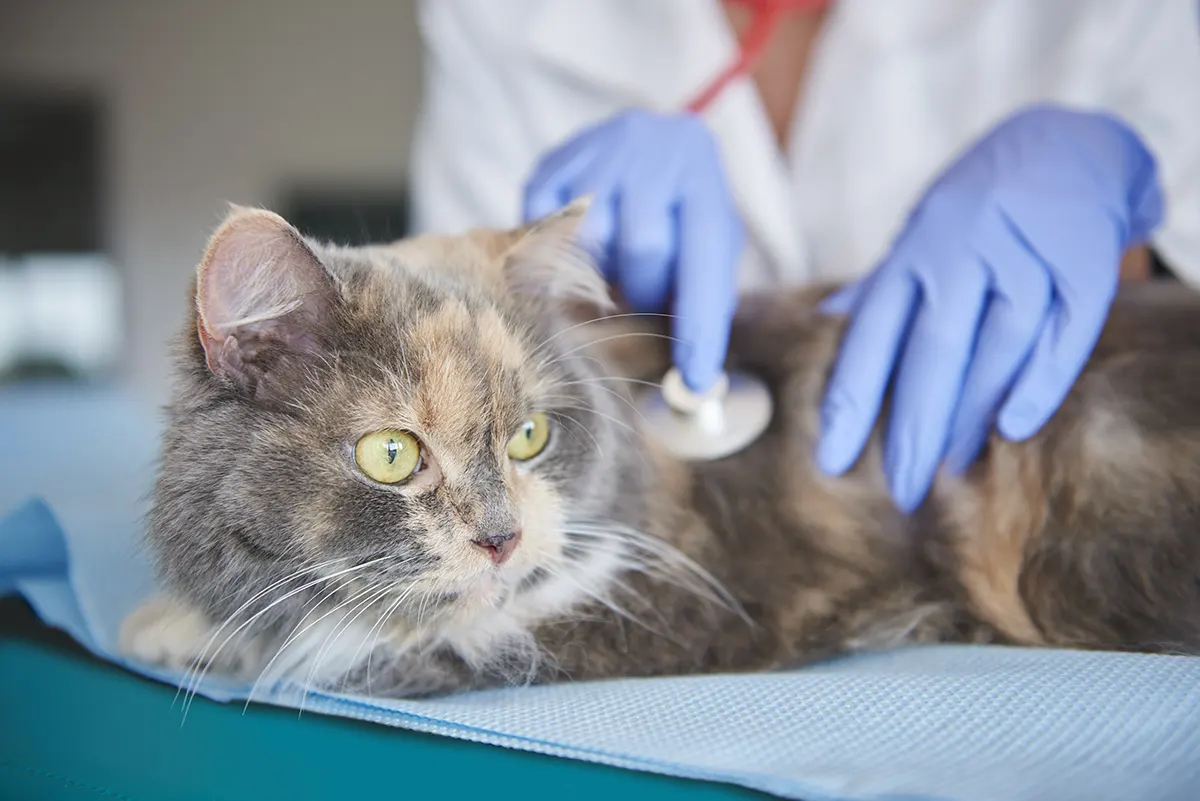
When to take my dog or cat to the vet
Recognizing when to take my dog or cat to the vet is really important and can be a difficult decision, since many people don't know which signs to watch for or how to tell whether their pet is showing symptoms or discomfort.
10 important signs
In this article you'll learn 10 warning signs that should help pet owners make decisions and go to an emergency vet:
1. Difficulty breathing
Difficulty breathing, also known as dyspnea, is a medical emergency. Your pet may show clinical signs such as wheezing, choking sounds or open-mouth breathing. Causes of dyspnea may be related to a foreign body lodged in the throat, a severe allergic reaction, lung disease or heart disease. Checking your pet's gums is an important way to assess proper oxygenation. Gums should be pink and moist, and when pressed they should temporarily turn white and then return to pink within one or two seconds; this is called capillary refill time. If your pet's gums are pale, white, blue or gray, this should signal an emergency. It's a good idea to check your pet's gums before an emergency happens so you know what's normal for your pet.
2. Loss of appetite
Loss of appetite over the course of 24 hours may be cause for concern, but after that 24-hour period the pet owner should consider seeking veterinary care. A pet may signal an illness or debilitating condition to its owner by refusing to eat. This can also lead to dehydration. In cats, anorexia can lead to a life-threatening condition called hepatic lipidosis. A cat's body works differently during periods of starvation compared with a dog's or a human's, in which fat stores are processed to be used as energy.
In a cat's body, fat stores aren't converted the same way; instead, they're released to the liver and accumulate, causing a fatty, poorly functioning liver. If left untreated, this can result in liver failure and possible death.
3. Changes in habits such as drinking and urinating
Just as in humans, the inability to urinate is considered a medical emergency because it may indicate a urinary obstruction. Pet owners may often notice increased drinking or urination in their pets.
This can be caused by several conditions, including a urinary tract infection, urinary stones or an endocrine disorder such as diabetes or hypo/hyperthyroidism. A urinary tract infection or urinary stones usually won't be life-threatening, but if left untreated, serious complications can arise. It's best to seek veterinary care as soon as possible.
4. Constant vomiting
If your pet vomits intermittently or occasionally, this isn't considered a medical emergency. Your pet may have eaten something that upset its gastrointestinal tract. However, if vomiting starts happening more often or several times in a row, immediate veterinary care is recommended. If blood is seen in the vomit, this is also a serious medical condition that requires emergency care. Vomiting may indicate a foreign body obstruction, trauma to the lungs or heart, reactions to a toxin or medication, or irritation of the lining of the esophagus, stomach or gastrointestinal tract. Prolonged vomiting can lead to life-threatening dehydration.
5. Diarrhea
As with vomiting, intermittent diarrhea usually isn't a medical emergency, but prolonged changes in your pet's stool can be an indicator of an underlying medical problem. Changes in color or consistency may be cause for alarm for the pet owner. Blood in your pet's stool may indicate an infection, a gastrointestinal obstruction, gastric ulcers or bleeding in the stomach or intestines, among other causes. Diarrhea can also be caused by dietary changes, dehydration or intestinal parasites.
6. Seizures
A single seizure isn't likely to be life-threatening, but given their sudden onset and the possibility of clusters or multiple seizures, it's usually best to seek medical care in these cases. Seizures can be caused by several underlying problems, including electrolyte imbalance, metabolic conditions, toxin ingestion, a brain mass or epilepsy.
It's important to seek a veterinarian's advice to keep your pet from suffering seizures, to understand the underlying cause of the condition, and to treat or prevent new seizures from occurring in the future.
7. Collapse or Lethargy
If your pet has an episode of collapse, this is a serious problem and requires immediate medical attention. Possible causes of collapse may be related to internal bleeding, anaphylactic shock related to a toxin or allergic reaction, severe heart disease, dehydration, hypoglycemia, or metabolic disorders such as a condition causing Addison's disease.
There are several levels of lethargy, which may show up as prolonged periods of sleep, lack of interest in playing with toys or interacting with owners, less desire to go for walks, or hiding in unusual places. If these clinical signs last more than 24 to 48 hours, a visit to the vet is recommended.
8. Abdominal pain
Another serious warning sign of a medical emergency is pain in the abdomen. If your pet shows this clinical sign or seems to be in pain/vocalizes when you touch its abdomen, seek a veterinary evaluation as soon as possible. Abdominal distension can sometimes indicate a serious condition called gastric dilatation-volvulus, also known as bloat. In this condition, the stomach twists on itself, creating a complete obstruction. Other possible causes include internal bleeding (ruptured spleen) or fluid distension due to heart disease.
9. Leg paralysis
If your pet suddenly has trouble walking or can't use one or more of its legs, this is generally a medical emergency. It may indicate a herniated disc in part of the spinal cord, which is often extremely painful. Diagnosing and treating this condition as soon as possible can greatly improve the prognosis and outcome. Dogs with longer bodies, such as Dachshunds and Corgis, are often predisposed to this particular condition. Paralysis can also indicate a neurological condition that leads to changes in your pet. It's important to watch for incoordination, lethargy, rapid eye movement (known as nystagmus), or lack of alertness or response to sounds/verbal cues. If you notice a sudden change in your pet's mental state, seeking immediate veterinary care is recommended.
10. Eye problems
Eye problems should not be ignored, because they escalate and have serious consequences compared to other areas of the body. A small amount of eye discharge is not alarming, but when the eye looks extremely red, bulges out of its socket, or shows excessive tearing or swelling, a visit to the vet is advisable. A red eye may indicate a viral or bacterial infection, trauma, corneal bleeding, or conditions such as hypertension and glaucoma. If left untreated, vision loss can be a serious consequence.