


Why do cats purr?
Cat purring is something almost everyone recognizes; however, you may not know the reasons why these beautiful felines make this peculiar sound. If you're wondering why cats purr so often or so loudly and don't know why, in this article you'll come to understand some of what it means.
Main causes of purring
As we mentioned, the exact reasons behind purring have not yet been deciphered by any scientist or feline ethologist. That's why, below, we'll explain the main causes that have been identified:
Maternal Purring
During birth, the mother cat communicates with her kittens through purring. Purring helps the mother calm her kittens during birth and guide them to where she is in the first days of life or until they manage to open their eyes. Through this sound and her scent, the mother guides her kittens to feed them, and the sound also keeps them calm and relaxed. Kittens also gain this ability within a week of life, using it to communicate their mood to their mother. This is also how they show that they feel satisfied after eating or, on the contrary, that they don't feel well or are scared.
Purring for pleasure
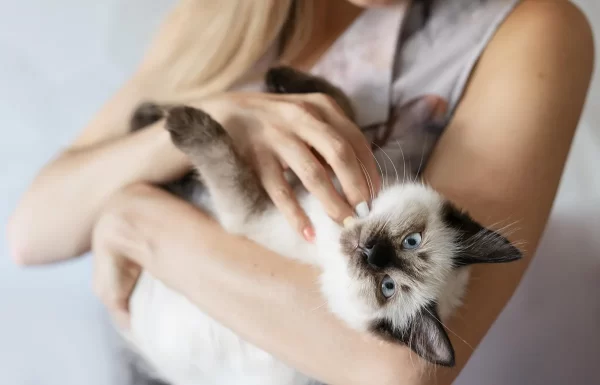
Cat purring is a hum that produces approximately 25 to 150 vibrations per second. Within this wide range of tones, felines can express their mood precisely. The most common one signals pleasure, gratitude and trust when they feel loved, through petting or when they're on top of someone; this purr is usually very irregular.
Purring out of satisfaction
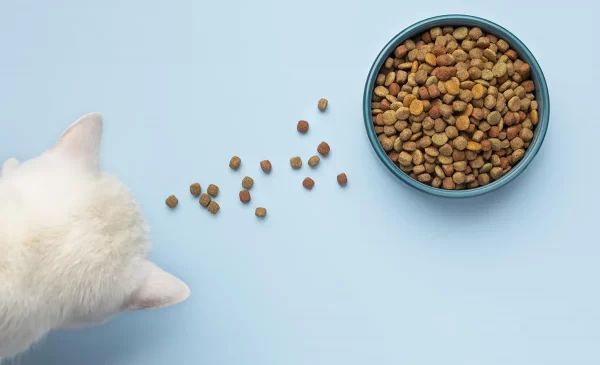
Cats make this purr to let us know they feel good by our side, and also when something pleases them. A perfect example is eating: when you see your cat purring while eating, it means it feels satisfied.
Purring when they don't feel well
If a cat feels sick or is in pain or discomfort, it tends to meow or purr very loudly to try to get our attention and let us know it needs our help. In these cases, don't hesitate: go to a veterinarian for a checkup to find out what might be wrong. If you need more signs that your cat is sick, here are 10 signs that tell you whether you should take your dog or cat to the vet.
Keep in mind that every cat's tone is very different; pay attention and try to identify your feline's tone well so you can understand it more easily. Just as people have different tones of voice when speaking, the same happens with these felines. That's why, although we've just explained the most common causes of purring and how to identify them, we recommend getting to know our pets thoroughly so we can understand them more accurately.