


Tips
How often should I take my dog to the vet: a guide by age and life stage
Find out how often to take your dog to the vet based on age, breed and health, what gets checked in the


Running a veterinary clinic involves much more than providing medical care to animals; it requires management skills, market knowledge and a focus on both patients and their owners. This article explores how you can improve your clinic's management, not only to better serve your patients but also to optimize operations and increase profitability.
Effective veterinary clinic management starts with solid organization and a proactive approach to client and patient care. This ranges from efficient appointment management to exceptional customer service, including accurate medical record keeping and inventory management. Every aspect of the clinic must run like clockwork to ensure both the animals' health and their owners' satisfaction.
Achieving efficient veterinary management isn't just about providing excellent medical care; it's also about developing administrative skills, optimizing resources and offering a well-rounded client experience. Here are 7 practical, advanced tips to improve your veterinary clinic's administration, aimed at directors, managers and owners looking to take their daily operations to the next level.
Defining clear processes for each stage of service — from reception to post-visit follow-up — reduces errors, improves the client experience and boosts team productivity. Create checklists for medical procedures, phone-handling protocols and internal guidelines for managing emergencies. This not only brings order, it also makes it easier to train new staff and replicate the service.
Good clinical management is data-driven. Knowing whether there's revenue isn't enough; you need indicators such as average ticket per client, return rate, performance per professional, inventory turnover or client acquisition cost. Setting up a dashboard with key metrics will let you make evidence-based decisions rather than relying on gut feeling.
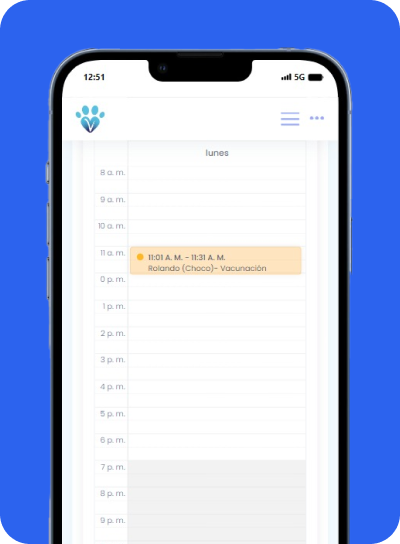
Time management is one of the biggest challenges in a veterinary clinic. Use veterinary practice management software that lets you see staff availability, automate appointment reminders and spot gaps that can be filled with complementary services or scheduled urgent visits. Your schedule shouldn't just keep you organized; it should help you bill more effectively.
Successful veterinary management requires well-connected teams. Hold brief daily meetings (stand-up meetings) to align the team, resolve issues and plan the day. Use internal communication tools and make room for staff feedback. A team that communicates well inspires confidence in clients and improves its clinical performance.
Human warmth, a comfortable waiting room, clear explanations of treatments and post-visit follow-ups are key to building client loyalty. Add value with animal wellness programs, personalized vaccination reminders or small touches like greeting each pet by name at reception. This has a direct impact on repeat visits and positive word of mouth.
Avoid unnecessary losses and boost your profitability with an efficient stock control system. Automate low-inventory alerts, analyze product turnover and eliminate overstock. Also, review your supplier contracts periodically to renegotiate prices and terms. Smart clinic management knows that every unnecessary expense affects the sustainability of the business.
Using comprehensive veterinary practice management software lets you centralize medical records, automate billing, manage inventory and track business performance from a single platform. This not only saves your team time but also ensures full traceability of every client and service provided, which is key for audits and continuous improvement.
Improving a veterinary clinic's performance not only increases client satisfaction but also contributes to greater operational efficiency. Here are some strategies:
Technology can work wonders for managing a veterinary clinic. These tools are essential:
In the veterinary management software market, Okvet stands out as one of the most robust options. This system offers an all-in-one solution that simplifies every facet of running a veterinary clinic, from appointment scheduling to billing and medical records management. Some of Okvet's standout features include:
Sign up for OkVet and start managing your veterinary clinic efficiently right now.
Effective management of a veterinary clinic is crucial to providing exceptional care for pets and ensuring the smooth, profitable operation of the business. Tools like Okvet can transform the way daily operations are handled, resulting in better customer service and sustained business growth.
The first step is to define clear management processes: financial control, team organization, customer service and clinical management. Without a solid administrative structure, even a good veterinary clinic can lose profitability.
The most frequent mistakes include not keeping detailed financial records, mixing personal and business expenses, not measuring key indicators and neglecting the customer experience.
It's essential to record income and expenses, control inventory, calculate margins per service and use digital tools that show the business's real profitability.
Yes. Veterinary software makes it easier to manage appointments, medical records, billing, inventory and financial reports, reducing errors and saving operational time.
You can improve it by optimizing processes, cutting unnecessary costs, building client loyalty, offering complementary services and improving your team's efficiency.
“ Caring for animals isn't just a science; it's an act of humanity that transforms the world through empathy. “
Okvet.co
The information in this article was provided by Okvet, veterinary software specialized in the management and control of veterinary clinics. Okvet helps industry professionals optimize their clinical performance and efficiently manage patient care, improving service quality and pet owner satisfaction.
Find out how often to take your dog to the vet based on age, breed and health, what gets checked in the
Home > Blog > Veterinary Clinics in Barranquilla Veterinary Clinics in Barranquilla Tips The Best Barranquilla The heat, the humidity, the rains

Home > Blog > Veterinary Clinics in Bucaramanga Veterinary Clinics in Bucaramanga Tips The Best Bucaramanga Looking for veterinary clinics in Bucaramanga isn't just about

Home > Blog > How to care for a pet How to Care for a Pet: A Complete Guide to Their Well-Being Tips The Best