

Tips
How often should I take my dog to the vet: a guide by age and life stage
Find out how often to take your dog to the vet based on age, breed and health, what gets checked in the




Veterinary medicine has evolved significantly in recent decades, integrating technology, digitalization and specialized clinical practices. To ensure effective, professional care, veterinarians need a set of key tools that allow them to make accurate diagnoses, perform safe surgeries, deliver effective treatments and manage their patients efficiently.
Beyond the stethoscope or syringes, there are instruments that make the difference between a basic diagnosis and an advanced one, or between traditional surgery and a minimally invasive procedure. Here are the most important tools —including some that often go unnoticed— that are truly indispensable for any veterinary professional committed to excellence.
Let's take a closer look at each key category, explaining what it's for, examples of instruments in each one, and how they add real value to the veterinary clinic.
An accurate diagnosis is the starting point of any veterinary treatment. A well-performed clinical evaluation, combined with the right tools, makes it possible to detect diseases at early stages and avoid major complications.
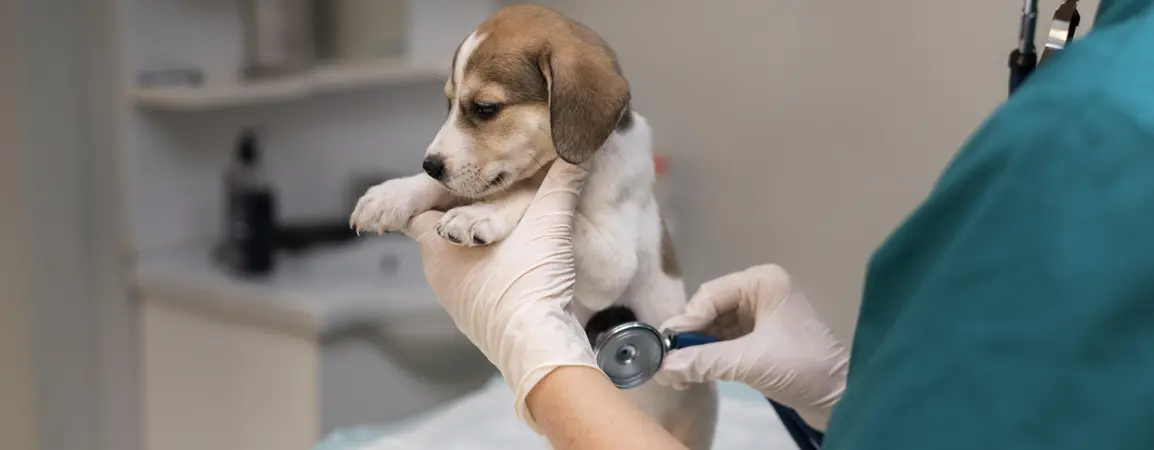
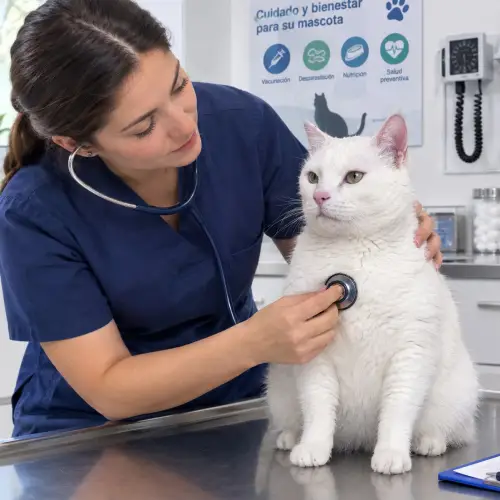
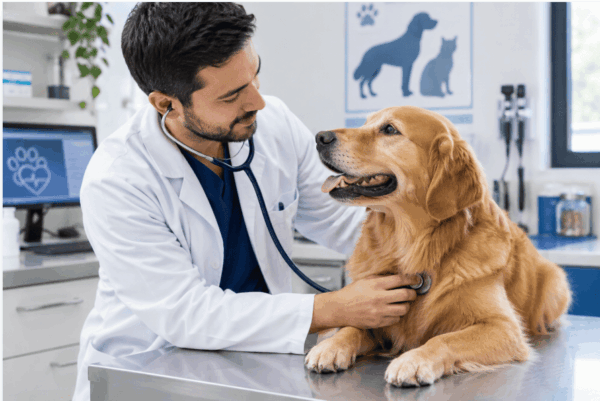
Stethoscope: The indispensable classic. It helps auscultate heart and respiratory sounds in both large and small animals.
X-ray equipment: Digital radiographs make it possible to detect fractures, foreign bodies and joint or lung problems.
Ultrasound machine: Essential for visualizing internal organs, pregnancies or suspicious masses in soft tissue.
Ophthalmoscope and otoscope: For examining eyes and ears, detecting infections, foreign bodies or structural damage.
Clinical microscopes: Used to analyze blood, skin, urine or tissue samples, especially in clinics that run in-house diagnostics.
Hematology and biochemistry analyzers: They automate the analysis of parameters such as red blood cells, liver enzymes, glucose levels, etc.
Pro tip: Investing in good diagnostic equipment saves time, prevents errors and increases pet owners' trust in the clinic.
In addition to this physical equipment, there are rapid tests (immunochromatographic tests) for diseases such as parvovirus, distemper, giardiasis and feline leukemia, among others.
Surgeries, from spays and neuters to complex orthopedic procedures, require specialized surgical instruments that are sterilized and in perfect condition. Precision is critical in these procedures.
Scalpel (traditional or electric): The former for conventional incisions; the latter reduces bleeding and recovery time.
Forceps (hemostatic, surgical, dissecting): To control blood vessels, handle tissue and make suturing easier.
Retractors: Keep cavities open during surgery.
Sutures and needle holders: Basic items for closing wounds and tissue.
Surgical laser: A modern alternative for less invasive procedures, especially in ophthalmic and dermatological surgery.
Inhalation anesthesia equipment: Key for long procedures on animals of different species and sizes.
Bonus fact: Many clinics are adding mobile operating rooms or outpatient surgery units, making it possible to operate in rural areas or handle emergencies outside the clinic.
Digitalization is here to stay in veterinary medicine too. From storing medical records to detecting conditions with imaging software, digital tools are great allies.
Digital endoscope: Lets you see inside the digestive, respiratory or reproductive tract without surgery.
PACS and DICOM systems: Archive and display diagnostic images at professional quality.
Multiparameter monitors: Track vital signs in real time during anesthesia.
Telemedicine platforms: Increasingly used for follow-up consultations or second opinions.
Clinical tracking apps: Many clinics use apps connected to their software to upload data, send reminders or show results to the pet owner.
Veterinary pharmacology has advanced as much as human pharmacology. Today there are medications formulated specifically for dogs, cats, horses, birds and exotic animals, in forms adapted to their physiology and behavior.
Broad- and narrow-spectrum antibiotics.
Nonsteroidal anti-inflammatory drugs (NSAIDs).
Analgesics (opioid or non-opioid).
Core and specialized vaccines.
Internal and external parasiticides.
Vitamin supplements and nutraceuticals.
In addition, clinics should have an emergency kit and pharmacovigilance protocols to ensure the rational use of medications.
Important: Never give human medications to animals without veterinary advice, as they can be toxic.
Today, a veterinarian without clinic management software is at a competitive disadvantage. These systems give you full control over patients, inventory, appointments, billing and communications.
Complete, digital medical records.
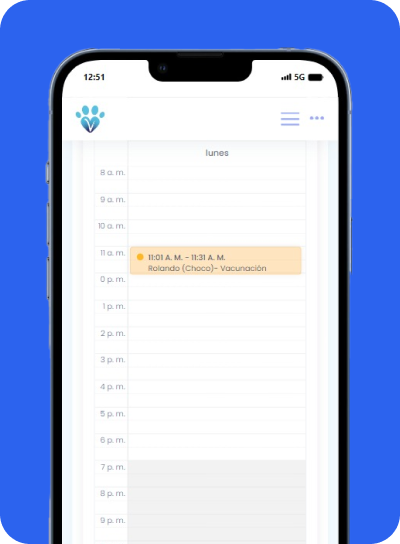
Scheduling and appointment management.
Inventory of medications and products.
Invoicing and accounting control.
Communications module (vaccine reminders, treatments, etc.).
Statistical analysis of patients, treatments and outcomes.
Among the available options, Okvet stands out because it was developed together with industry professionals and is 100% adapted to the reality of veterinary clinics and hospitals.
A robust platform, accessible from any device.
Data security guaranteed thanks to Rabbitt, its specialized hosting system.
Customizable modules according to the size and type of clinic.
Technical support and constant updates.
Plus, it automates marketing tasks such as sending emails, vaccination notifications or promotions, increasing returns without requiring additional investment.
A stethoscope, X-ray equipment, a clinical microscope, a scalpel, and management software like Okvet.
Some, yes, such as forceps, scalpels or anesthesia, but many are adapted to the anatomy and specific needs of each species.
It optimizes clinical management, improves patient follow-up and makes running the business easier.
It reduces errors, improves diagnostic quality and lets you offer a more professional and reliable experience to the pet owner.
Yes, but with less precision. Technology makes it possible to detect diseases at early stages and improve clinical outcomes.
“ A veterinarian heals not only with their hands, but with every tool they wisely choose. “
Okvet.co
The information in this article was provided by Okvet, veterinary software specialized in the management and control of veterinary clinics. Okvet helps industry professionals optimize their clinical performance and efficiently manage patient care, improving service quality and pet owner satisfaction.
Find out how often to take your dog to the vet based on age, breed and health, what gets checked in the
Home > Blog > Veterinary Clinics in Barranquilla Veterinary Clinics in Barranquilla Tips The Best Barranquilla The heat, the humidity, the rains
Home > Blog > Veterinary Clinics in Bucaramanga Veterinary Clinics in Bucaramanga Tips The Best Bucaramanga Looking for veterinary clinics in Bucaramanga isn't just about

Home > Blog > How to care for a pet How to Care for a Pet: A Complete Guide to Their Well-Being Tips The Best